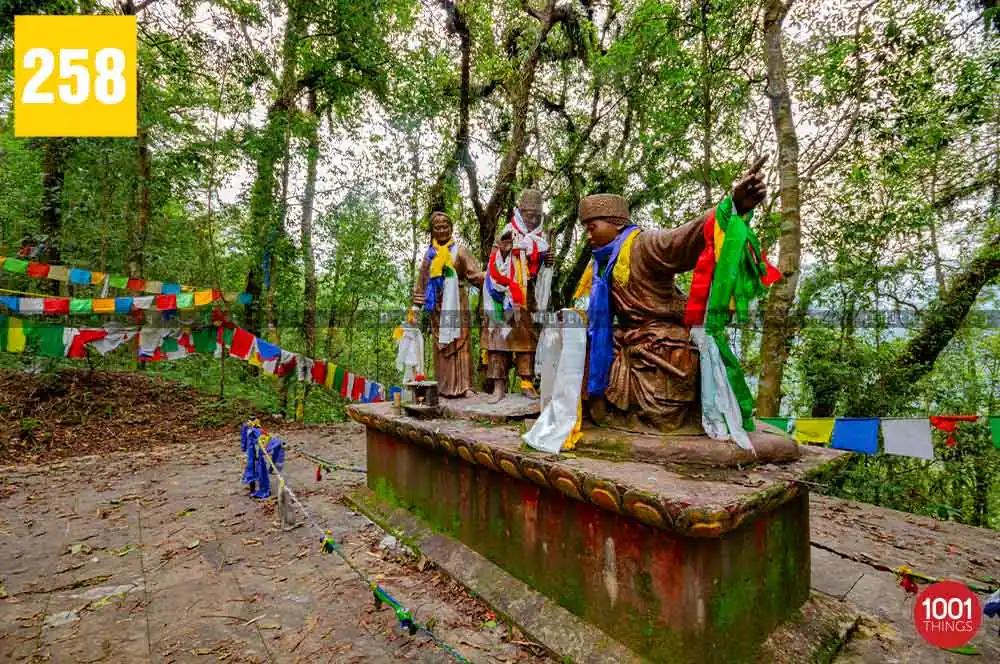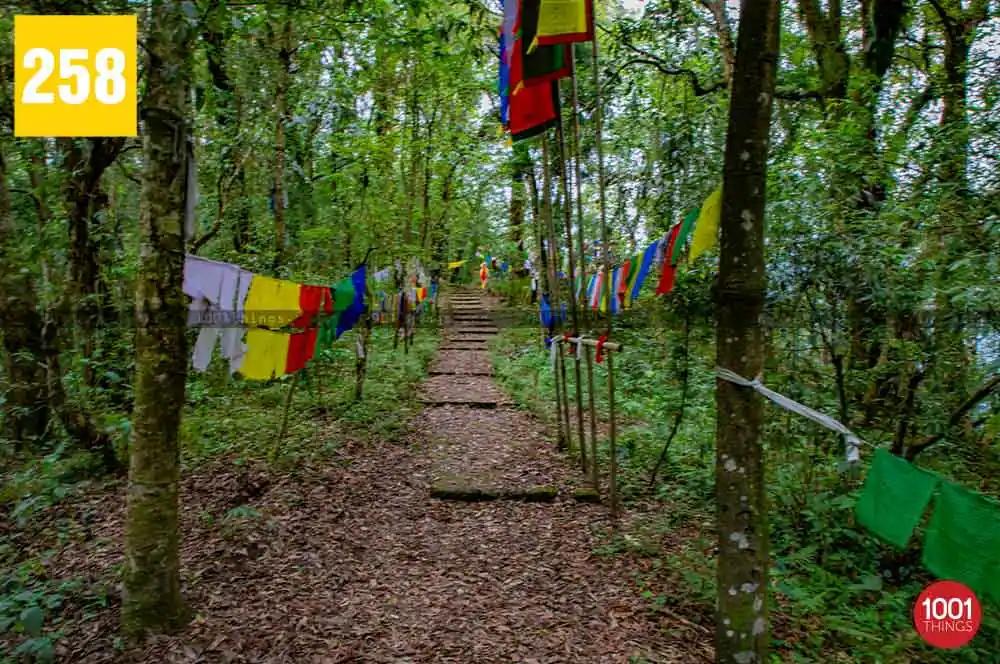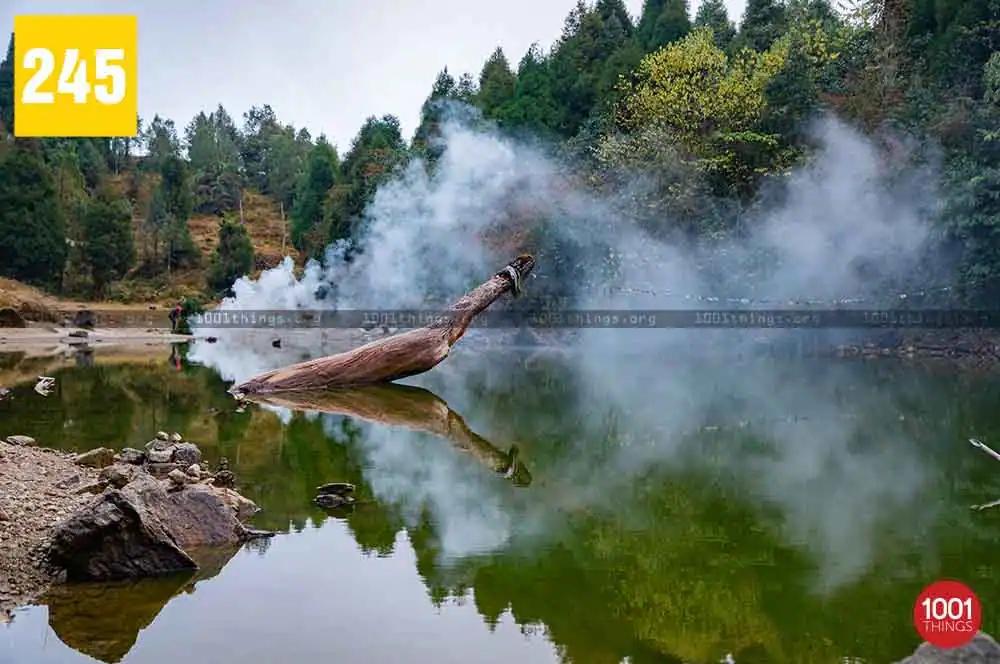
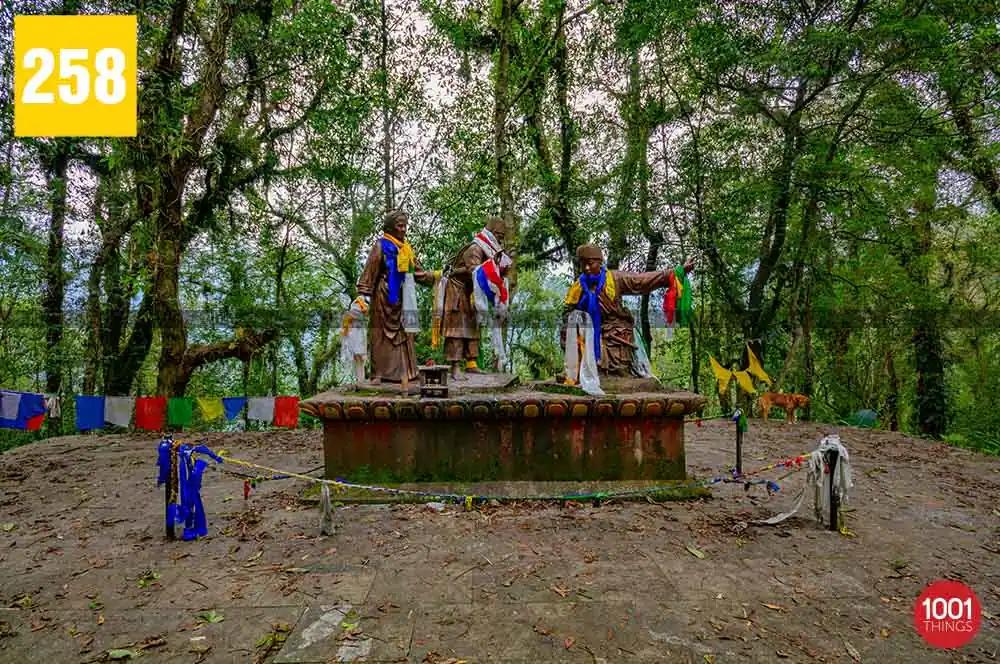
Welcome to the mystical land of Sikkim, where history meets nature in perfect harmony. Nestled amidst dense forests and shimmering streams, Kabi Lungchok stands as a historic site of great significance. A scenic spot 17 km north of Gangtok, it is where the Lepchas and Bhutias ceremoniously signed the "Treaty of Blood Brotherhood." This is a journey through the rich heritage and breathtaking landscapes of Kabi Lungchok.

Historical Heritage
Kabi Lungchok's historical significance lies in the treaty signed between the Lepchas and Bhutias, symbolizing unity and friendship between the two ethnic communities. The migration of the Lepchas, the original ethnic community, deeply intertwines with the region's history. They fled Tibet to escape the rivalry between the "Yellow Hats" and "Red Hats" sects of Vajrayana Buddhism. This led to a significant influx of Bhutias, known as the followers of the Red Hat sect, seeking refuge in Sikkim. The treaty, signed at this very spot, marked the beginning of a profound bond between the two communities.

Nature's Bounty
Kabi Lungchok is not just a testament to history; it also boasts nature's splendour. Visitors exploring the area find themselves surrounded by sub-tropical mixed broad-leaved hill forest, adorned with Alnus nepalensis, Castanopsis, and Michelia trees, among others. The landscape is dotted with breathtaking waterfalls, including the famous "Seven Sister waterfalls," making it a paradise for nature enthusiasts and photographers.