Fambong Lho Wildlife Sanctuary - Where Myths and Legends Meet Nature
1001 Things·
Fambong Lho Wildlife Sanctuary is one of a kind destination. Its biodiversity ranges from the Palearctic realm to the Indomalayan realm. It is one of the well-protected Himalayan sanctuaries with rare and exotic flora and fauna in abundance. This sanctuary is not only known for its fascinating sights and nature, but it also draws curious explorers to its age-old myths and legends. It is a well-defended region that retains spots sacred to the ethnic community and the tribes of Sikkim.
When it comes to its visual narrative, Fambong Lho has the most beautiful landscapes. It calls the wanderlusts and ardent peace-seekers to its breathtaking and serene realm. The evergreen canopy thrives with the bountiful Himalayan vegetation. A large variety of avifauna thrives here. Their sweetest melodies often seem to welcome the keen explorers. Amidst the silence and the solitude, the sudden chirping of these feathered beauties acts as an ice-breaker between explorers and nature.
Fambong Lho is known for its spring allure. A large variety of rhododendrons thrive here, which bloom in springtime and convert its solitary domain into a paradisiacal charm. The magic of spring not just attracts humans but also invites a large variety of birds and butterflies. Apart from this, a great variety of wild orchids are found here. The dense and evergreen forest well sustains the rarest avifauna and the wildlife in the region. Contrary to the crowded cities and beaches, it offers unparalleled serenity and solitude, allowing one to immerse oneself in the charm and freshness of nature.
Discover the top 10 places to visit in Gangtok, from iconic monasteries and breathtaking viewpoints to vibrant markets and hidden gems. Whether you're a nature lover, adventure seeker, or first-time visitor, this guide covers everything you need for a memorable Gangtok trip.
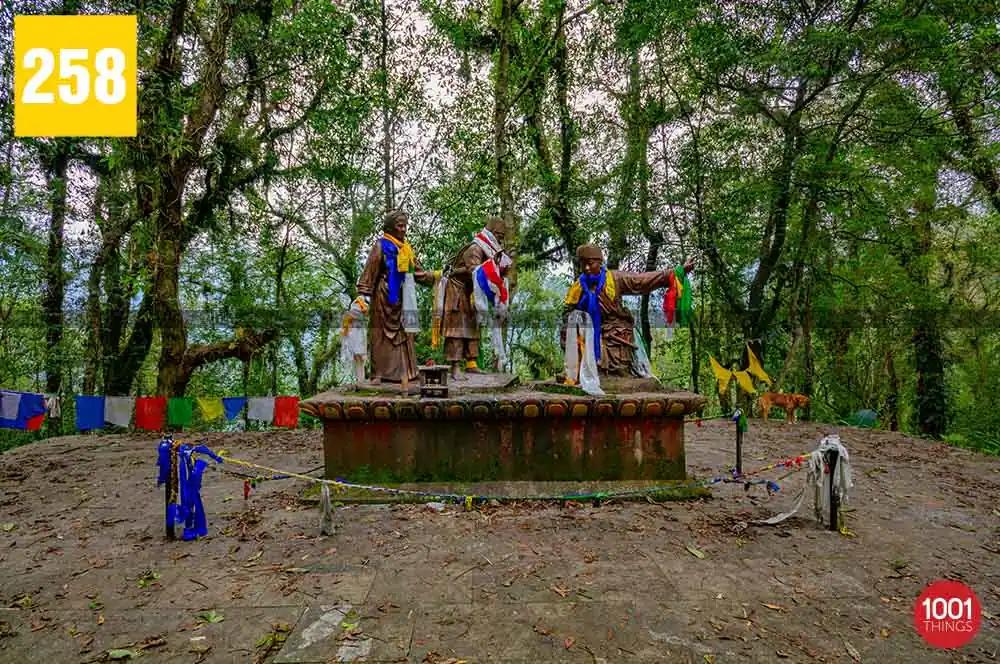
A scenic historic site 17 km north of Gangtok, Kabi Lungchok is where the Lepchas and Bhutias signed the Treaty of Blood Brotherhood — a place where dense sub-tropical forests, waterfalls, and rich birdlife meet a living legacy of unity and friendship.
Nomenclature, Location and Topography
Fambong Lho derives its name from one of the oldest tribes, the Lepchas. In the Lepcha dialect, the word "hambomloh" literally means "wild local avocado trees" (Machilus edulis). Machilus edulis trees provide shelter to the weary explorers. Its fruits are edible and contain health benefits. The fruits are quickly sold in the hilly markets.
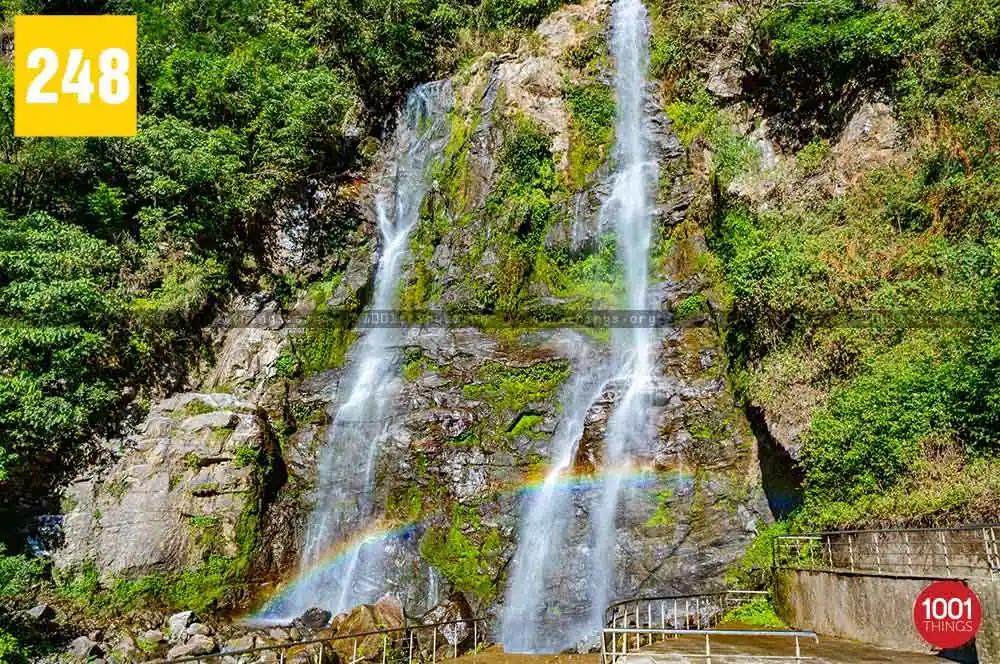
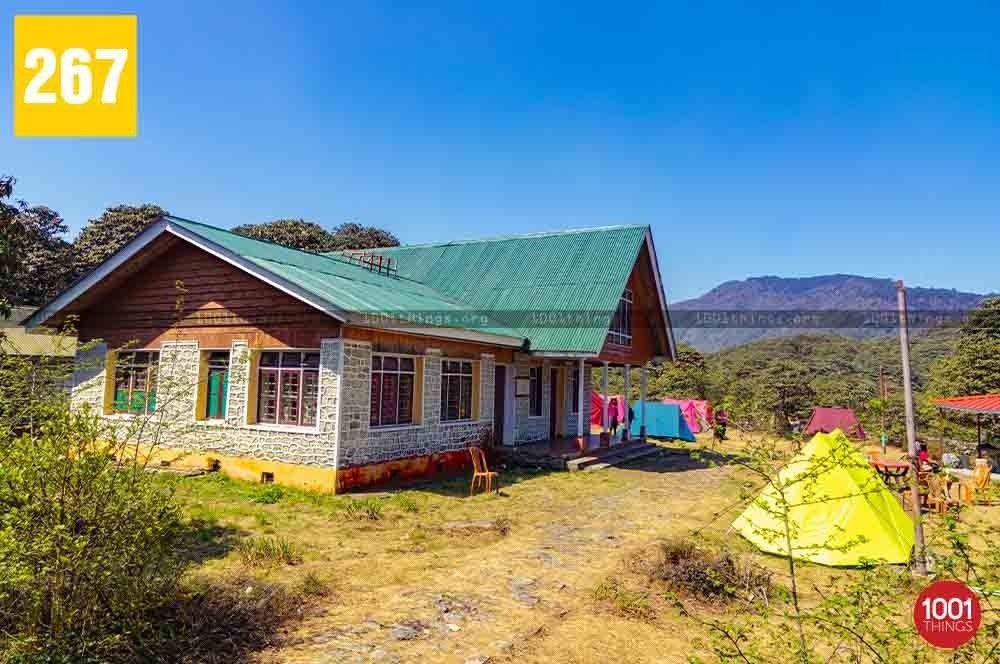
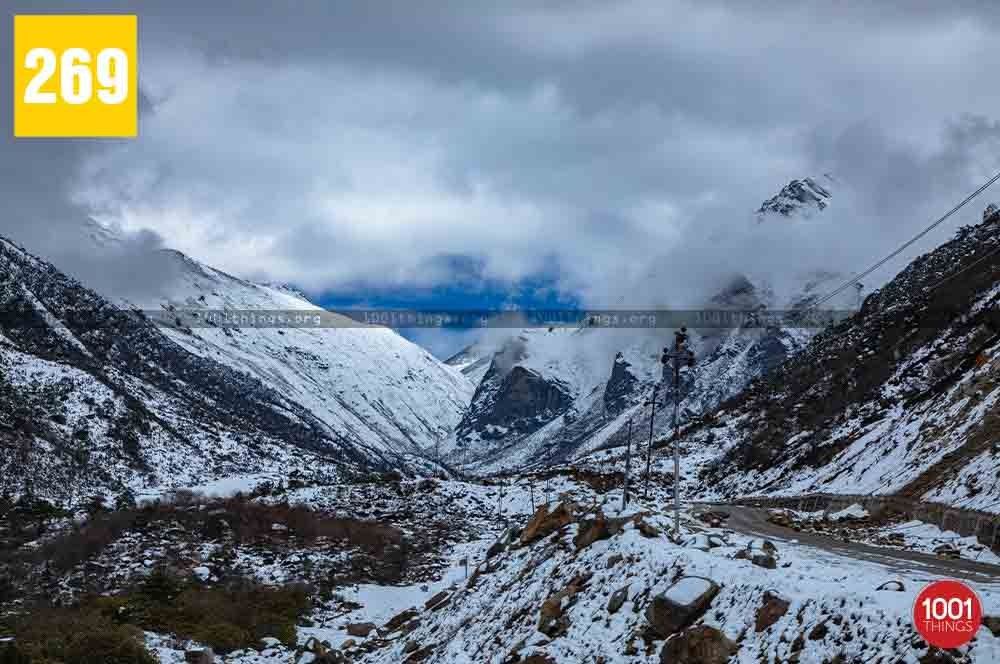
It has an altitudinal range between 1524m and 2749m. Chuli hamlet snuggles at the top of Fambong Lho Wildlife Sanctuary. The entire area between the log house of Fambong Lho and the Chuli trekkers hut is uninhabited. Gangtok lies on the eastern side of Fambong Lho while Khangchendzonga National Park lies in the west. Some riverine tributaries from the North enrich the thriving biodiversity and eventually join the Teesta and Dikchu Rivers. Tinjure is the highest point of Fambong Lho Wildlife Sanctuary, known as an extension of Kanchendzonga National Park. It is located 30 km west of Gangtok. Owing to its dense biodiversity sprawling over the 51 sq. km mountainous terrain, Fambong Lho is home to rare birds and animal species.
Things To Do and Major Attractions
Fambong Lho has amazing nature trails for short-distance trekking. Golitar, particularly the buffer area of the sanctuary, offers an unobstructed view of the majestic Kanchendzonga range. Fambong Lho Wildlife Sanctuary hosts a few tiny hamlets within its tranquil territory. Dikchu, Pangthang, and Mangan fall under its realm and are managed by the State Forest Department.
Himalayan Flora and Fauna
The less trodden territory of Fambong Lho is home to a large variety of Himalayan flora and fauna. From the largest variety of rhododendrons to the rarest variety of wild orchids, the animal species from red panda to musk deer, blue sheep, the Himalayan black bear, and even the snow leopard call it their home. Besides, Fambong Lho Wildlife Sanctuary is home to a large variety of birds and butterflies.
Bird Watching
Birds at Fambong Lho Wildlife Sanctuary include species like the hill partridge, satyr tragopan, fire-tailed myzornis, bar-throated minla, red-tailed minla, black-eared shrike babbler, scaly laughing thrush, streak-breasted scimitar babbler, rusty-fronted barwing, yellow-browed tit, red-headed bullfinch, crimson-browed finch, chestnut-crowned warbler, and more. The endangered Rufous-headed hornbill has been sighted here.
Wildlife
Frequently spotted mammals in this sanctuary are barking deer, yellow-throated marten, Himalayan brown bear, and red panda. Besides these, takin, red fox, and musk deer are also present at higher altitudes. Some very commonly seen mammals in this wildlife sanctuary are the Himalayan striped squirrel and Royle's pika of the family Ochotonidae.
The Myths and Legends of Fambong Lho
Fambong Lho Wildlife Sanctuary holds a great cultural significance for the tribes of Sikkim, as several myths and legends are associated with it. According to the legends, the Lake of Pigs, "Phag Tso" in Fambong Lho, is believed to be the residence of the mermaid protector Tsomen.
The legends even have it that once a monk named Lama Ralchen pierced the land near Gangnag with his trident, which resulted in the formation of the Chumi Gey (source of sacred spring water). The source of water is still the most vigorous source of perennial water for the inhabitants of this region.
The tribes dwelling in the region are well-rooted in the age-old culture and traditions. They worship nature and have high regard for their ancestral deities. Once in a while, a monk performs rituals and offers smoke offerings to mountain deities at the Fangnag hermitage.
The tribal community strongly believes that a deity exclusive to the residents of Simick Lingzey, Chadey Tumin, Samdong, Martam, Sang, Lingdam, Samtong, and Rumtek resides at the Teenjurey or Mara Chu.
From December to February, mysterious fireballs called Dza appear from Mara Chu. Many eyewitnesses claim that Dza flees at a terrific speed and drops over the waterfalls at Makha and Loom. Locals believe that the Dza radiates an inauspicious shadow when flying.
Amongst all the myths and legends, the legend of the Sokpa, also called Yeti or Abominable Snowman or Azo Me-gyod, is famous. Sokpa is still known to reside in the forests of Fambong Lho.
Best Time to Visit Fambong Lho
Fambong Lho is a great option to escape the summer of the plains and the metropolises. The summer season between March and June is the best time to visit Fambong Lho Wildlife Sanctuary. The weather during these months remains quite pleasant. Visitors can enjoy the dreamlike sights of the blooming rhododendron forests during this time. Also, the prospects of spotting birds and wildlife are higher during this season.
Getting There
Fambong Lho Wildlife Sanctuary is located at a range of 30 km from Gangtok. Visitors can get taxis from the main city to the sanctuary daily. Permits are required to get there. For permits, check with the National Park and Wildlife Sanctuary Permit issued by the Forest Department at Gangtok.
Nestled close to the Nepal border in West Sikkim, Uttarey is a hidden gem at 6,600 feet — offering panoramic views of Kanchenjunga, snow-covered winter landscapes, and a range of accommodation from budget hotels to hillside homestays and resorts.